Low-Slope TPO Membrane Replacement in Perry
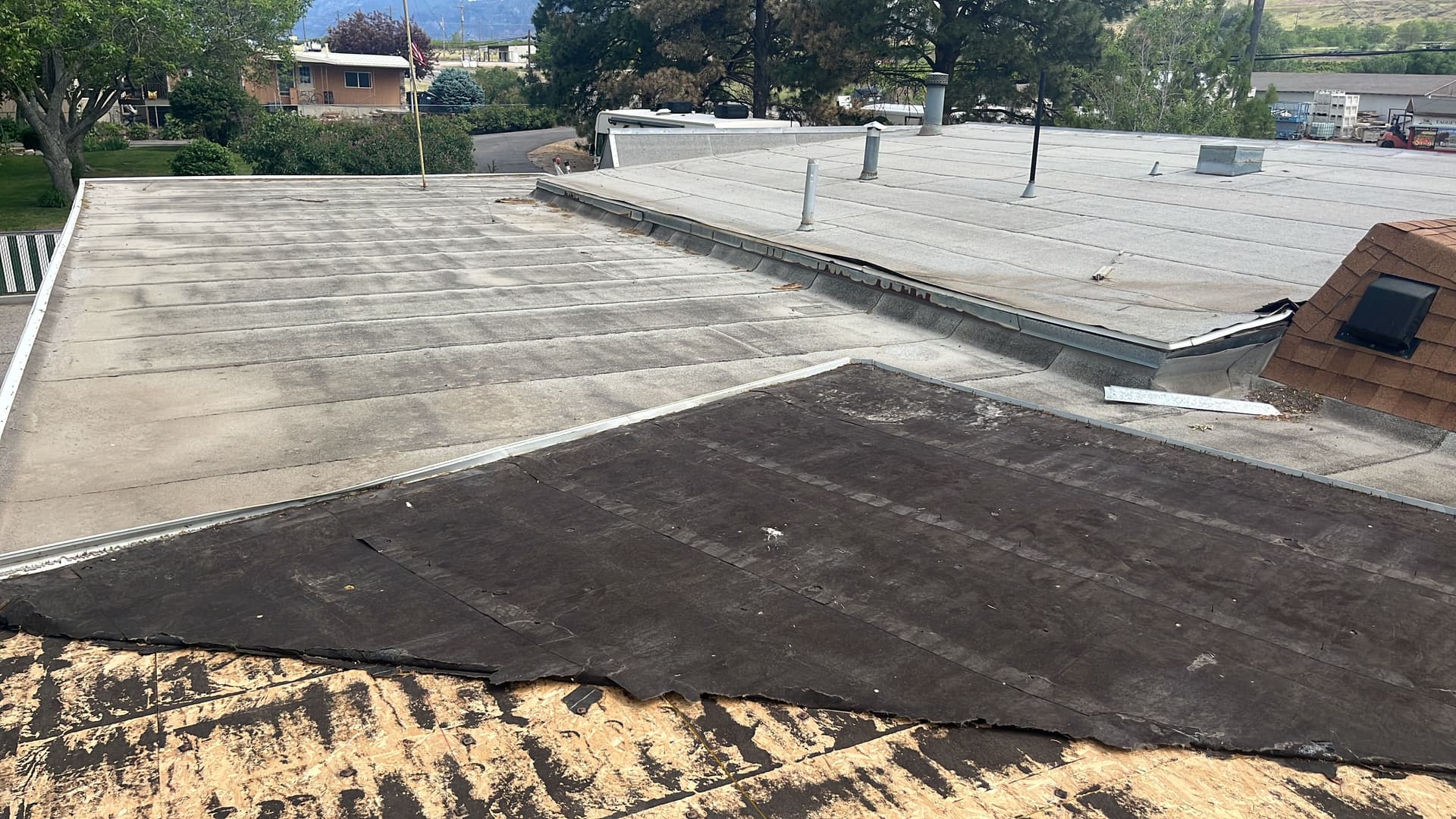
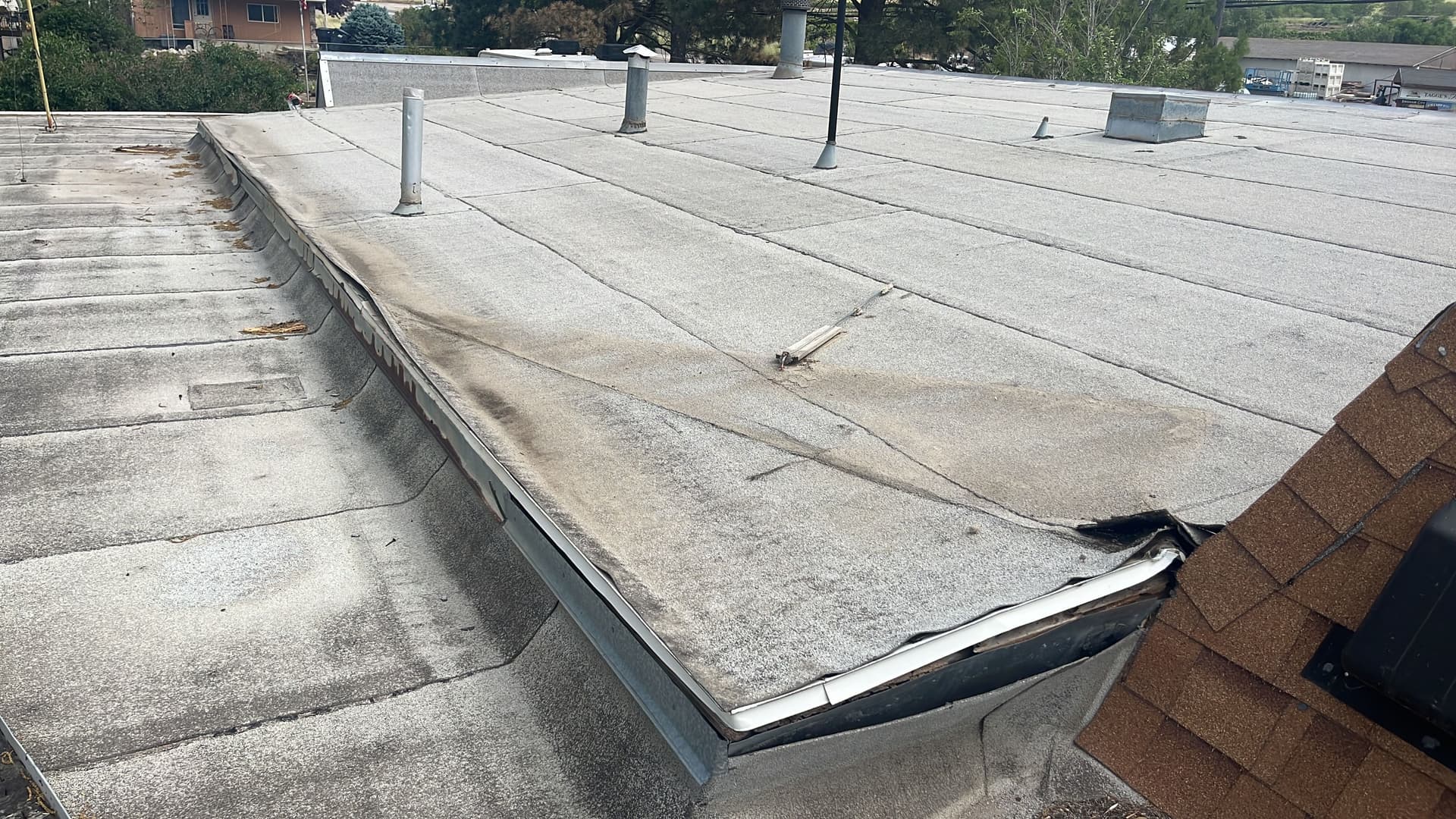
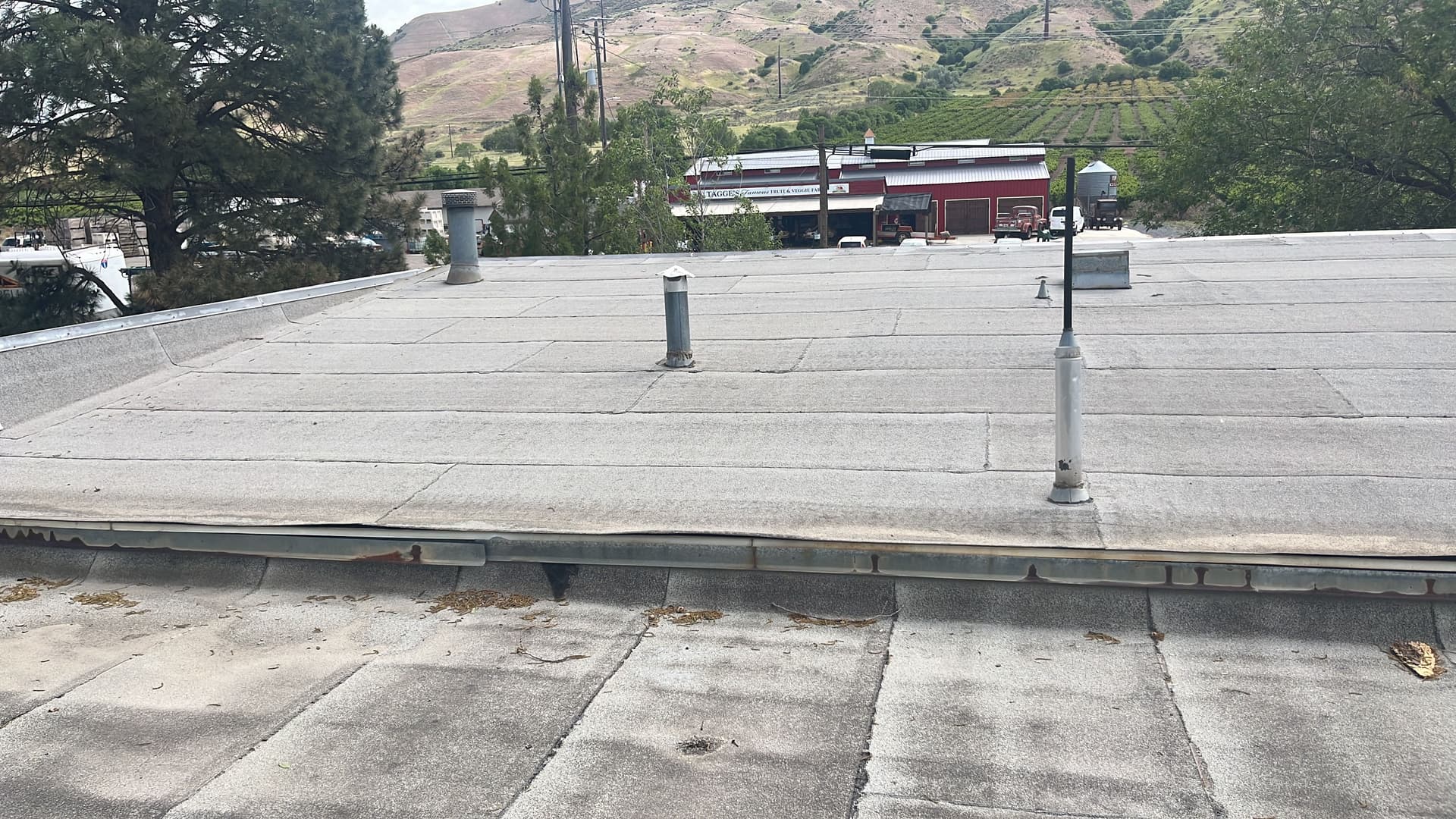
Flat and low-slope roofs have one big weakness - when the membrane starts to go, water has nowhere to run. It just sits there. And the older the material, the faster things deteriorate. That's exactly what we were dealing with on this Perry roof. The existing surface was cracked, separating at the edges, and well past its useful life.
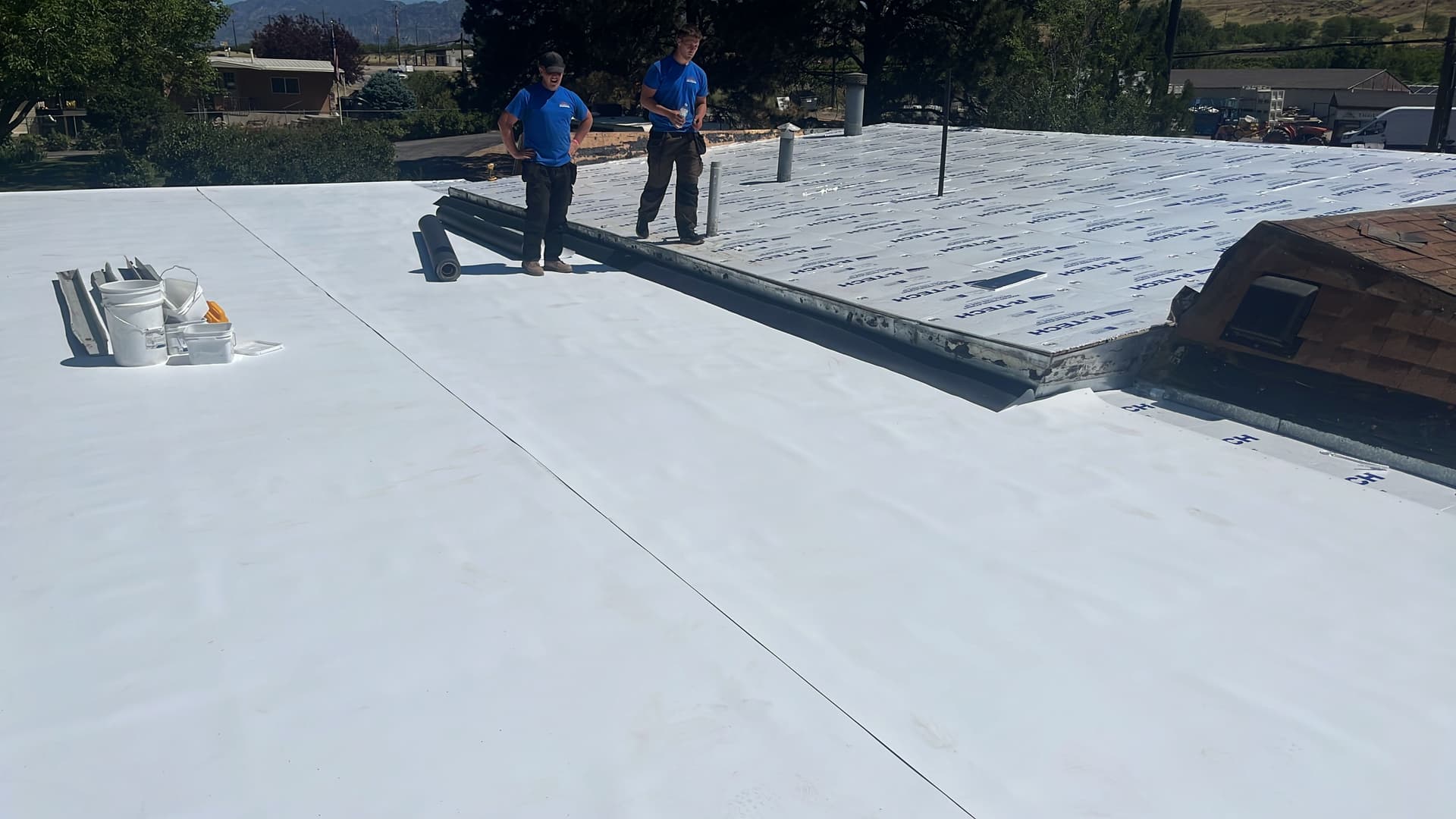
Here's what we were working with before we started - worn-out built-up roofing with sections of old membrane peeling away from the deck. The flashing along the perimeter was failing too. Left alone, that's a recipe for water intrusion, damaged decking, and a much bigger repair bill down the road.
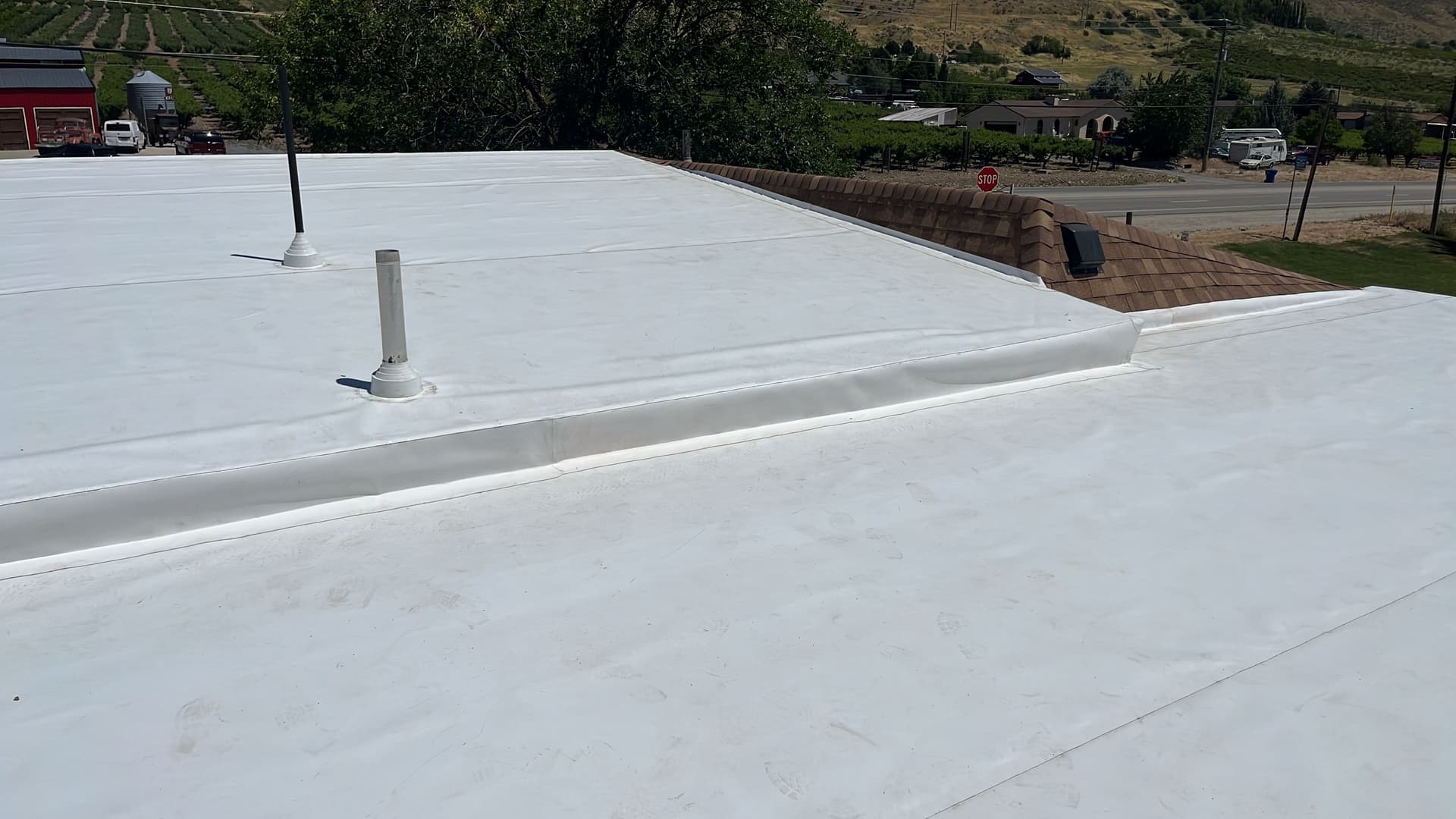
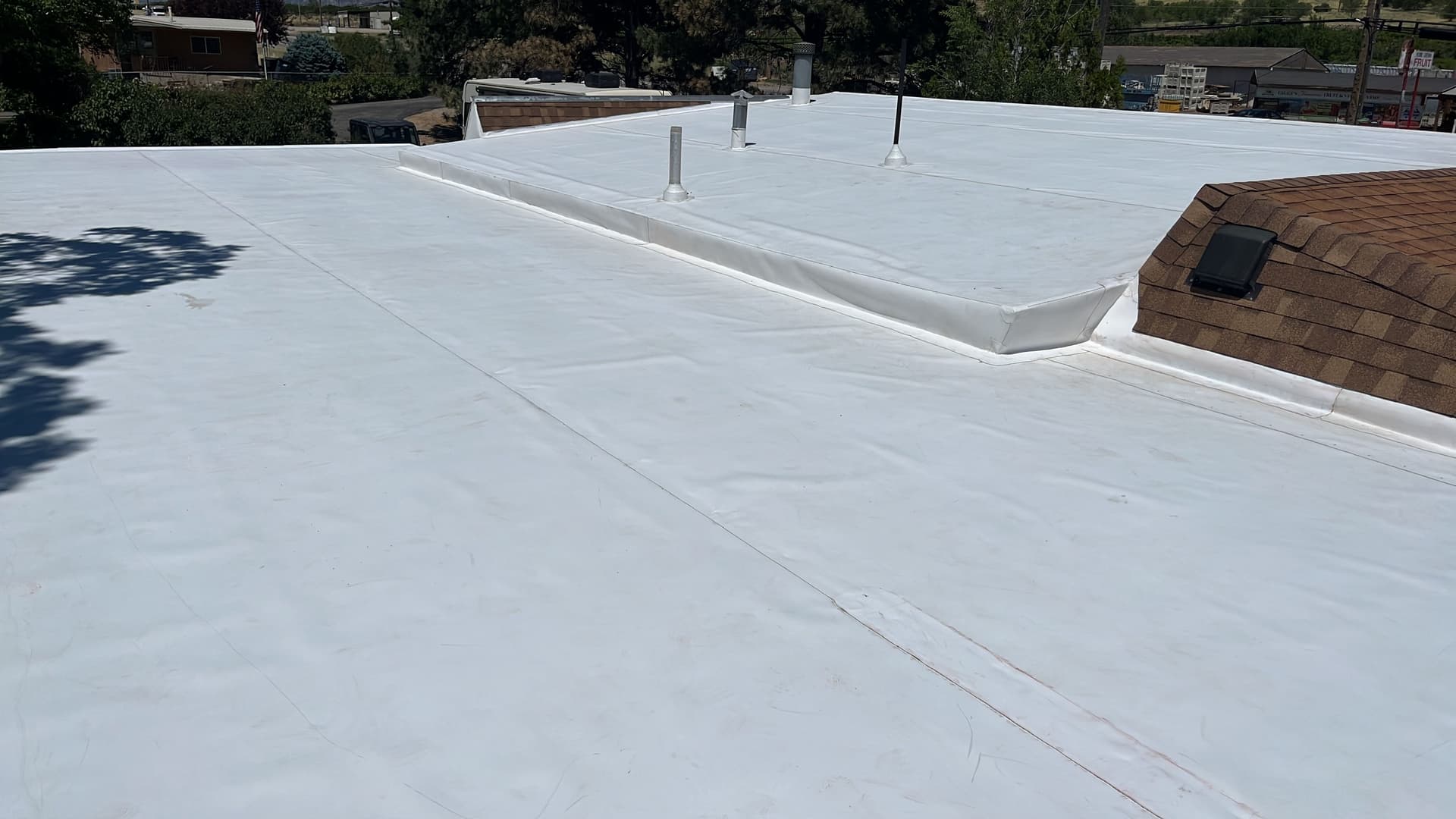
We stripped things back, laid down a solid insulation board base, and installed a new TPO membrane across the entire low-slope surface. TPO - thermoplastic polyolefin - is one of the best materials you can put on a flat or low-slope roof. It's heat-welded at the seams, which means there's no adhesive to break down over time. The white reflective surface also helps keep cooling costs down during hot summers.
What makes this kind of low slope membrane work hold up long-term is the detail work - how the membrane wraps the parapet walls, how it integrates with the pipe boots, how tight the seam lines run. We don't cut corners on any of that. Every penetration and edge gets the same attention as the field of the roof.
The difference between where this roof started and where it ended up is night and day. A properly installed TPO system on a low-slope roof like this one is built to handle years of weather without giving the homeowner anything to worry about. That's the whole point.